Maintenance guide

Protect airflow, drainage, safety, and the record of what changed.

Maintenance is more than changing a filter. A useful routine watches the visible parts of the entire comfort system and leaves internal equipment work to qualified professionals.

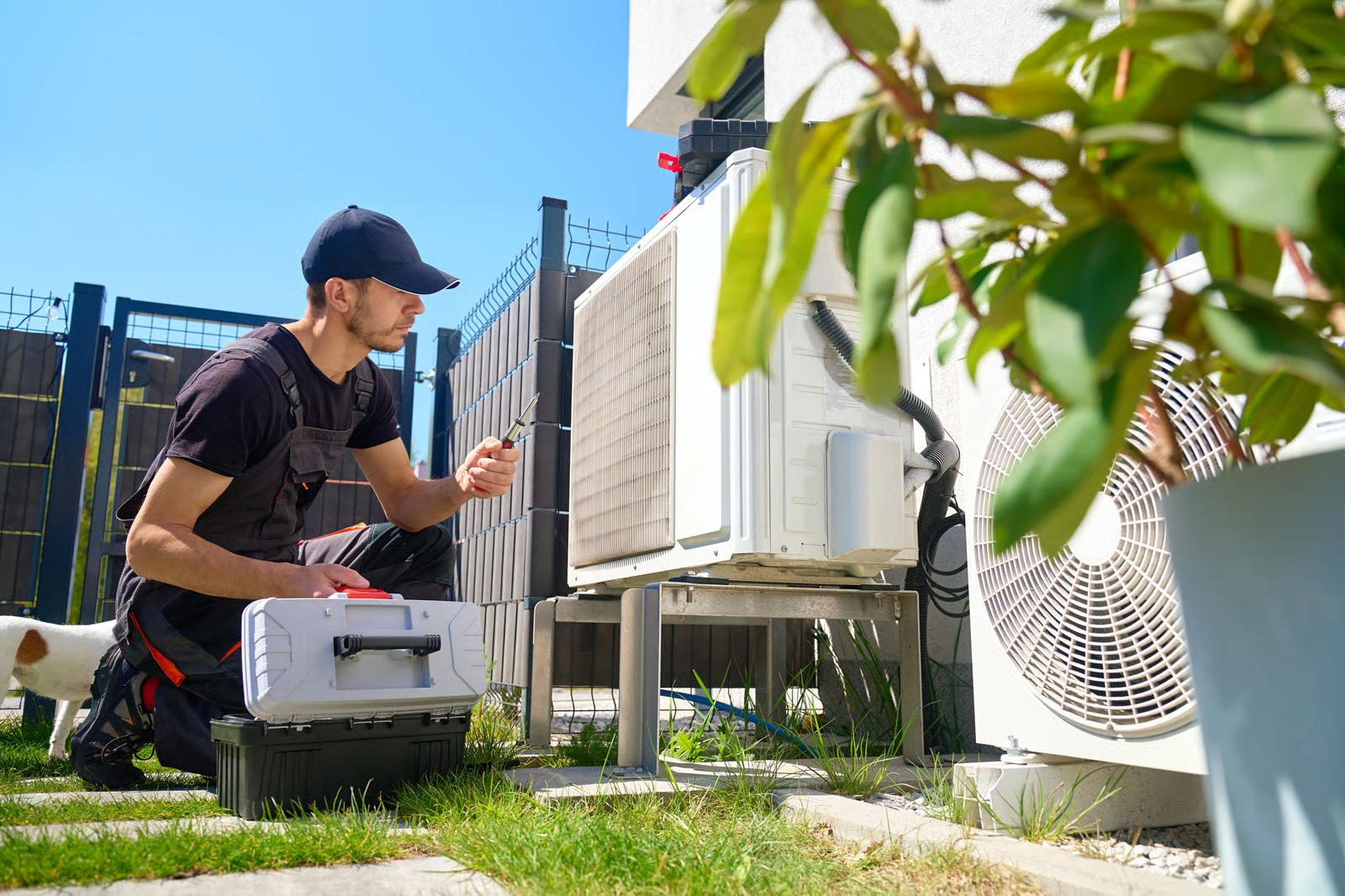
Technician inspecting the outdoor portion of a residential air-conditioning system
Illustrative stock photography—not a Ra-Jac technician.

A better maintenance visit

Ask what was observed, measured, cleaned, and tested.

A useful visit goes beyond a quick visual glance. Before the appointment, gather model numbers, recent symptoms, filter history, room-to-room comfort concerns, humidity observations, and any drainage or storm issues.

Afterward, keep the written findings and measurements with your equipment records. That history makes future decisions easier and helps separate a new symptom from a recurring one.

Homeowner schedule

A practical rhythm for the year.

01Monthly during heavy use

Keep airflow and drainage visible

  • Inspect the filter and follow the equipment or contractor recommendation for replacement.
  • Keep supply registers and return grilles open, clean, and unobstructed.
  • Look for water, staining, unusual condensation, or a musty odor near indoor equipment.
  • Listen for new noises and note unusual cycle length or room-to-room changes.
  • Keep plants, stored items, and debris away from the outdoor unit without opening or dismantling it.
02Before cooling season

Prepare for heat and humidity

  • Confirm the thermostat schedule still fits the household.
  • Check accessible condensate protection and ask a professional to verify drain flow and overflow controls.
  • Inspect visible duct connections and insulation for damage, sweating, or gaps.
  • Clear leaves and windblown debris around the outdoor unit with power off; never bend fins or use aggressive water pressure.
  • Schedule professional inspection early enough to correct airflow, drainage, electrical, or refrigerant concerns before peak heat.
03Before heating season

Test heat before the first cold front

  • Run the heating mode on a mild day and note startup, airflow, sound, and odor.
  • Replace thermostat batteries if the manufacturer recommends a schedule.
  • Confirm smoke and carbon-monoxide alarms are present, within service life, and tested according to their instructions.
  • Keep combustibles away from furnaces, air handlers, and mechanical closets.
  • Have fuel-burning equipment and heat-pump operation inspected by qualified professionals.
04Twice a year

Review the whole comfort system

  • Compare several rooms for temperature, airflow, humidity, and odor.
  • Review utility use alongside weather and occupancy rather than relying on one bill.
  • Inspect accessible weatherstripping, attic access seals, and obvious envelope leakage.
  • Update equipment photos, model numbers, warranty records, and service history.
  • Ask whether the maintenance visit includes measured temperatures, airflow or static-pressure checks, electrical readings, drainage, and safety controls.

Filter sense

More restrictive is not automatically better.

A filter must fit the cabinet, seal reasonably at the edges, and allow the system’s required airflow. A high-efficiency filter that creates too much resistance can contribute to poor comfort or equipment trouble.

Use the right size

Match the actual filter slot or cabinet—not a guess based on the old filter alone.

Follow the arrow

The airflow arrow points toward the blower or equipment.

Watch condition, not just the calendar

Pets, construction, smoke, occupancy, and long cooling seasons can change replacement frequency.

Ask before increasing MERV

A contractor can assess whether the system and filter area can handle additional resistance.

Galveston Bay conditions

Salt, humidity, rain, heat, and storms.

Coastal equipment deserves more frequent observation because corrosion and moisture do not wait for an annual appointment.

Salt air

Track corrosion early

Ask a contractor to assess coil condition, cabinet corrosion, fasteners, electrical compartments, and the suitability of any protective coating or cleaning method.

Humidity

Watch runtime and drainage

Short cycles, oversized equipment, airflow problems, duct leakage, or drain trouble can undermine moisture removal even when the thermostat reaches its setpoint.

Attic heat

Inspect ducts and insulation

Accessible duct insulation should be intact and dry. Sweating, crushed flex duct, gaps, or disconnected runs need qualified correction.

Heavy rain

Keep water paths clear

Observe site drainage, equipment elevation, condensate discharge, and signs that wind-driven rain reaches electrical or duct components.

Storm plan

Before the storm.

  1. Photograph equipment and model labels for records.
  2. Know which breakers and disconnects serve HVAC equipment.
  3. Clear loose outdoor items that could strike the unit.
  4. Follow official evacuation and utility guidance.
  5. Do not cover operating equipment or block airflow.

After the storm

Before restarting.

  1. Do not energize flooded or visibly damaged equipment.
  2. Look for shifted units, debris, exposed wiring, damaged ducts, and water intrusion.
  3. Wait for stable utility power and follow local instructions.
  4. Have questionable equipment inspected before operation.
  5. Document damage before cleanup when an insurance claim may apply.

Keep a simple record

Your maintenance log should answer five questions.

Date When did you inspect or service it?Conditions Weather, occupancy, thermostat, and humidity?Observation What looked, sounded, smelled, or felt different?Action Filter change, safe correction, or professional work?Result What changed afterward and for how long?

Know the parts of the system

Understand what a proposal is changing.

Open the systems guide